High Blood Pressure: What You Need to Know
High blood pressure, also called hypertension, is a common health condition that affects how hard your heart has to work to move blood through your body.
Many things can contribute to high blood pressure, including stress, high cholesterol, hardened arteries, lack of exercise, diet, age, and genetics. Your blood pressure can also rise temporarily during exercise or other strenuous activities. This can be normal if it returns to a healthy level afterward.
Why Is High Blood Pressure a Concern?
High blood pressure can be difficult to recognize because many people have no symptoms at all. In fact, a person may have high blood pressure for years without knowing it.
When blood pressure becomes very high, some people may experience:
- Dizziness
- Confusion
- Headaches
- Nosebleeds
- Blurry vision
- Fatigue or unusual tiredness
- Shortness of breath
However, you should not wait for symptoms to check your blood pressure. Regular monitoring can help identify a problem before it becomes more serious.
How Can You Check Your Blood Pressure?
One of the easiest ways to keep track of your blood pressure is to have it checked during regular healthcare visits. Many pharmacies and stores also have blood pressure machines available for public use.
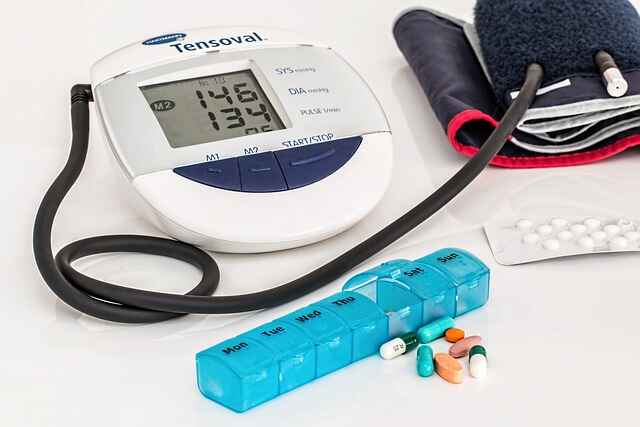
You can also purchase an automatic blood pressure monitor for home use. Keeping a simple record of your readings can help you and your healthcare provider recognize changes over time.
Know Your Numbers
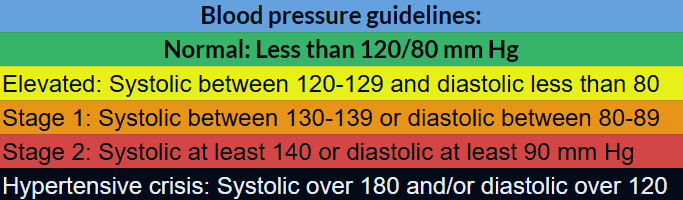
Checking your blood pressure regularly is a simple step that can help you stay informed about your health. If your readings are repeatedly higher than recommended, talk with your healthcare provider about what they mean and whether further evaluation is needed.
You don’t have to feel sick to have high blood pressure. Knowing your numbers is one of the easiest ways to take an active role in your health.
Why should you be concerned about high blood pressure?
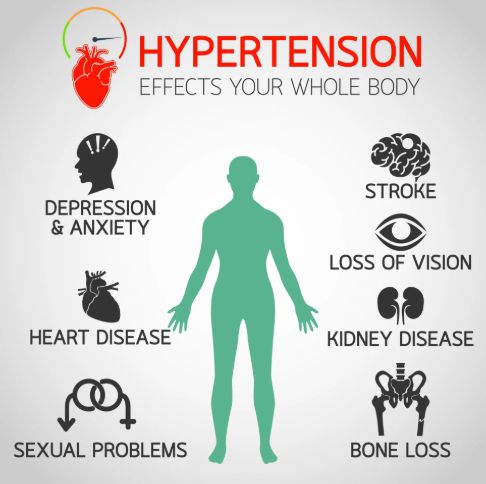
High blood pressure is a serious health condition with potential consequences, including stroke, heart disease (such as heart failure and heart attacks), diabetes, kidney failure, blindness, and erectile dysfunction. Left untreated, high blood pressure can even lead to fatal outcomes. Understanding and managing high blood pressure is crucial for preventing these severe health complications and ensuring overall well-being.
Diagnosed With High Blood Pressure? What to Do Next
Being diagnosed with high blood pressure (hypertension) can feel overwhelming, but you don’t have to change everything overnight. Managing high blood pressure is usually about making small, realistic changes that you can maintain over time.
Your healthcare provider may recommend changes to your diet, physical activity, blood pressure monitoring, and medications if needed. Think of it as a long-term process—one step at a time.
Simple Steps to Manage High Blood Pressure
1. Watch Your Sodium Intake
Too much sodium (salt) can contribute to higher blood pressure. Start by checking nutrition labels and looking at the sodium listed per serving.
For many adults, the recommended limit is less than 2,300 mg of sodium per day, although your healthcare provider may recommend a lower amount based on your health.
Try these simple changes:
- Choose lower-sodium foods when possible.
- Limit highly processed and packaged foods.
- Avoid adding extra salt to your meals.
- Use herbs and spices such as garlic, basil, parsley, or celery seed for flavor.
- Remember that restaurant and fast foods can contain large amounts of sodium.
2. Monitor Your Blood Pressure at Home
A home blood pressure monitor can make it easier to keep track of your numbers. Automatic monitors are generally simple to use.
Ask your healthcare provider:
- How often should I check my blood pressure?
- What numbers are considered normal for me?
- What numbers should concern me?
- When should I call the office?
Keep a daily blood pressure log in a notebook or on your phone. Bring your readings to your healthcare appointments so your provider can see how your blood pressure changes over time.
3. Get Regular Physical Activity
You don’t need an expensive gym membership or special equipment to become more active.
A simple goal for many adults is about 30 minutes of moderate activity most days of the week, such as:
- Walking
- Gardening
- Household chores
- Riding a bicycle
- Swimming
- Walking the dog
If you aren’t currently active, start slowly and increase your activity as you are able. If you have other health conditions or are unsure what level of exercise is appropriate for you, talk with your healthcare provider first.
4. Make Healthier Food Choices
A heart-healthy diet can play an important role in managing high blood pressure.
Start with simple changes:
- Eat more fruits and vegetables.
- Choose whole grains when possible.
- Watch your portion sizes.
- Choose lean proteins.
- Read food labels.
- Reduce salty and highly processed foods.
- Limit fast food and packaged meals.
You don’t have to completely change your diet in one day. Small changes made consistently can add up over time.
5. Keep a Health Notebook
A simple notebook can become one of your most useful healthcare tools. Use it to keep track of:
- Daily blood pressure readings
- Your current medications
- Vitamins, herbs, and supplements
- Questions for your healthcare provider
- Symptoms or changes you notice
- Upcoming appointments
Bring your notebook to medical appointments. Having this information in one place can help you and your healthcare provider make informed decisions about your high blood pressure treatment and overall health.
Take It One Day at a Time
A diagnosis of high blood pressure doesn’t mean you have to completely change your life overnight. Healthy lifestyle changes, regular blood pressure monitoring, and following your healthcare provider’s treatment plan can all play an important role in managing hypertension.
Start with one change. Once that becomes part of your routine, add another.
Your goal isn’t perfection—it’s progress.
Click here for a downloadable pdf to help you monitor your blood pressure.
Partner With Your Doctor and a Nurse Advocate
Managing high blood pressure is a team effort. Your doctor can diagnose your condition, explain your treatment options, and help you set blood pressure goals—but you are an important part of the team.
Don’t be afraid to ask questions. Your healthcare provider should explain your diagnosis, medications, test results, and treatment plan in language you can understand. You should feel comfortable speaking up when something doesn’t make sense.
Our Father Patient Advocacy LLC provides healthcare advocacy and support services. Patient advocacy does not replace your physician or other healthcare providers, and medical decisions remain between you and your healthcare team
References:
MOS. (2018, March 29). Latest Blood Pressure Guidelines and What Americans Should Know. https://www.medicaltranscriptionservicecompany.com/blog/blood-pressure-guidelines-americans-should-know/#:~:text=Kenneth%20Jamerson%2C%20an%20author%20of%20the%20high%20blood
Monitoring Your Blood Pressure at Home. (n.d.). Www.heart.org. https://www.heart.org/en/health-topics/high-blood-pressure/understanding-blood-pressure-readings/monitoring-your-blood-pressure-at-home#:~:text=Blood%20Pressure%20Chart%20%20%20%20BLOOD%20PRESSURE
New ACC/AHA High Blood Pressure Guidelines Lower Definition of Hypertension. (n.d.). American College of Cardiology. https://www.acc.org/latest-in-cardiology/articles/2017/11/08/11/47/mon-5pm-bp-guideline-aha-2017#:~:text=Blood%20pressure%20categories%20in%20the%20new%20guideline%20are%3A
High blood pressure (hypertension) – Symptoms and causes. (n.d.). Mayo Clinic. https://www.mayoclinic.org/diseases-conditions/high-blood-pressure/symptoms-causes/syc-20373410#:~:text=Causes
FDA. (2020). Sodium in Your Diet. FDA. https://www.fda.gov/food/nutrition-education-resources-materials/sodium-your-diet
CDC. (2021, December 21). Sodium | cdc.gov. Centers for Disease Control and Prevention. https://www.cdc.gov/heartdisease/sodium.htm#:~:text=Facts%20About%20Sodium%20Consumption%20and%20Sodium%20in%20Our