Who Is Most at Risk? There are multiple types of anemia. Here we discuss the most common causes and remedies.
One of the most common risk factors for iron deficiency is being a woman. Sorry, ladies—it’s true. Women are more likely than men to experience iron deficiency anemia, particularly during the childbearing years.
There are several reasons for this, including:
- Blood loss during menstruation
- Increased iron needs during pregnancy
- Inadequate dietary iron
- Certain digestive or malabsorption disorders
Men can suffer with anemia also. Causes include inadequate diets or poor absorption of nutrients. Some anemias are caused by disease processes. Inflammation (arthritis, kidney disease and Crohn’s to name a few). It is important to discuss with your physician the root cause of your anemia, so you can better treat it.
How Do I Know If I Have Low Iron?
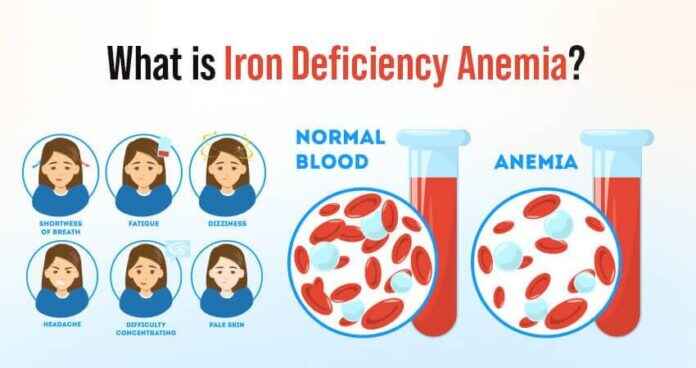
The symptoms of low iron can be surprisingly vague and may be mistaken for other health conditions.
You may experience:
- Fatigue or unusual tiredness
- Weakness
- Dizziness
- Cold hands or feet
- Poor appetite
- Pale skin
- Shortness of breath
- Cravings for non-food substances such as ice, dirt, or starches
These unusual cravings are known as pica and can sometimes be associated with iron deficiency.
Because the symptoms can be nonspecific, the only way to know whether you are iron deficient is through appropriate evaluation and blood testing.
How Is Iron Deficiency Diagnosed?
If you suspect you have low iron, talk with your healthcare provider. A finger-stick test or blood draw may be used to evaluate for anemia and iron deficiency.
Your provider may look at several measurements, including:
- Ferritin — an indicator of your body’s stored iron
- Hemoglobin — a measurement used to evaluate for anemia
Sometimes repeat testing is needed to get a clearer picture of your iron status and determine whether treatment is appropriate.
Important: Reference ranges can vary by laboratory, age, sex, pregnancy status, and other factors. Your healthcare provider should interpret your results rather than relying on a single “normal” number.
Why Does Iron Matter?
Iron is essential throughout the body, particularly for making hemoglobin, the protein in red blood cells that carries oxygen.
When iron deficiency becomes significant, the effects can extend well beyond feeling tired.
Restless Legs & Pica
Iron deficiency has been associated with Restless Legs Syndrome (RLS), a condition that creates an uncomfortable urge to move the legs.
Iron deficiency can also be associated with pica, or cravings for substances that aren’t food—such as ice, dirt, or starch.
Researchers continue to study the relationship between iron levels and these symptoms.
Pregnancy
Iron needs increase substantially during pregnancy because both the mother and developing baby require iron.
Significant iron deficiency and anemia during pregnancy can have consequences for both mother and baby, which is why prenatal care routinely includes screening and monitoring for anemia.
Long-Term Anemia
Chronic, untreated anemia can place additional stress on the cardiovascular system. In more severe cases, anemia can contribute to cardiovascular complications.
If you have persistent fatigue, shortness of breath, dizziness, palpitations, or other concerning symptoms, seek medical advice rather than assuming iron deficiency is the cause.
How Much Iron Do You Need?
Your daily iron requirement depends on your age and stage of life. The recommendations increase substantially for many women during pregnancy.
Recommended Dietary Allowances for Iron
| Age | Male | Female | Pregnancy | Lactation |
|---|---|---|---|---|
| Birth–6 months* | 0.27 mg | 0.27 mg | — | — |
| 7–12 months | 11 mg | 11 mg | — | — |
| 1–3 years | 7 mg | 7 mg | — | — |
| 4–8 years | 10 mg | 10 mg | — | — |
| 9–13 years | 8 mg | 8 mg | — | — |
| 14–18 years | 11 mg | 15 mg | 27 mg | 10 mg |
| 19–50 years | 8 mg | 18 mg | 27 mg | 9 mg |
| 51+ years | 8 mg | 8 mg | — | — |
*Adequate Intake (AI).
These values are dietary recommendations for generally healthy people—not necessarily the amount needed to treat an existing iron deficiency. If you have been diagnosed with iron deficiency anemia, your healthcare provider may recommend a different approach.
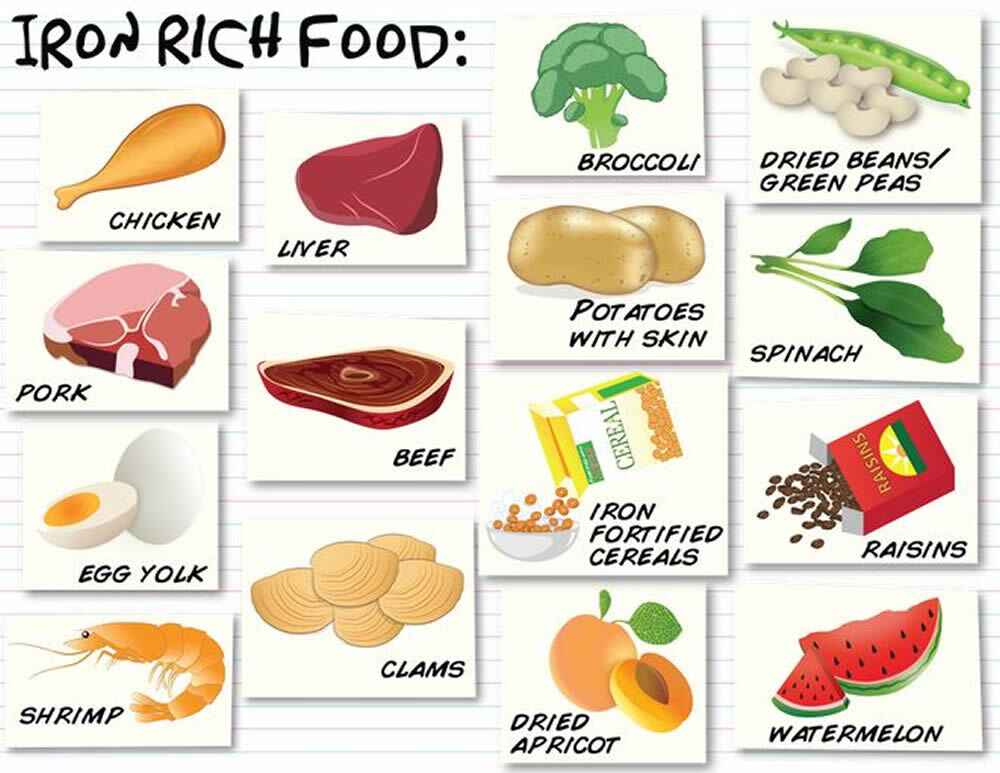
What Foods Are High in Iron?
If you want to increase your dietary iron, there are plenty of options.
Look for Fortified Foods
In the United States, fortified foods can be an important source of iron. When a food is fortified, vitamins or minerals have been added to it.
Some breakfast cereals and oatmeal, for example, can provide significant amounts of iron.
Always check the nutrition label for the actual iron content because amounts vary considerably between products.
Iron-Rich Foods to Consider
🥣 Fortified Cereal & Oatmeal
Fortified whole-grain cereals can be particularly rich sources of iron. Some oatmeal products can also provide substantial amounts.
🦪 Oysters & Mussels
Shellfish such as oysters and mussels can provide significant amounts of dietary iron.
🦃 Turkey & Duck
Poultry such as turkey and duck can contribute iron to your diet, along with other important nutrients.
🥬 Spinach
Spinach is a versatile plant source of iron. Add it to soups, salads, cooked meals, or other dishes.
🍠 Sweet Potatoes
Sweet potatoes contain iron as well as other nutrients and can be an easy addition to a balanced diet.
🫘 Beans
Beans are an especially useful plant-based source of iron. Black beans, kidney beans, chickpeas, lentils, and other legumes can all contribute to your daily intake.
A Note About Food Preparation
Making meals at home can make it easier to choose nutrient-dense foods and control what goes into your meals.
Rather than focusing on whether a particular cooking method “zaps” nutrients, focus on eating a varied diet that includes vegetables, legumes, whole grains, meat or seafood when appropriate, and fortified foods when useful.
Don’t Guess—Get the Facts
If you think you may have low iron, don’t rely on symptoms alone. Talk with your healthcare provider about whether testing is appropriate for you.
Understanding your blood-work results, dietary needs, and treatment options can help you make informed decisions about your health.
Do your own research, ask questions, and talk with your physician or other qualified healthcare professional about what is right for you.
This information is for educational purposes only and is not a substitute for medical advice, diagnosis, or treatment.
References:
Iron-Deficiency Anemia. (2020, July 20). Www.hopkinsmedicine.org. https://www.hopkinsmedicine.org/health/conditions-and-diseases/irondeficiency-anemia#:~:text=Iron%2Drich%20diet.
1.Ferritin Test: What It Is, Purpose, Procedure & Results. Cleveland Clinic. https://my.clevelandclinic.org/health/diagnostics/17820-ferritin-test
National Institutes of Health. (2022, April 5). Office of Dietary Supplements – Iron. NIH. https://ods.od.nih.gov/factsheets/Iron-HealthProfessional
Miller, J. L. (2013). Iron Deficiency Anemia: a Common and Curable Disease. Cold Spring Harbor Perspectives in Medicine, 3(7). https://www.ncbi.nlm.nih.gov/pmc/articles/PMC3685880/
Food Sources of Iron | Dietary Guidelines for Americans. (n.d.). Www.dietaryguidelines.gov. https://www.dietaryguidelines.gov/resources/2020-2025-dietary-guidelines-online-materials/food-sources-select-nutrients/food-1