
Dehydration happens when your body loses more fluid than you take in. Your body needs enough fluid every day to keep your heart, kidneys, brain, muscles, and other organs working properly.
Think of it simply: if your body loses four cups of fluid but you only replace three cups, you have a fluid deficit.
Mild dehydration can often be corrected by increasing fluids. However, severe or untreated dehydration can become dangerous and may lead to serious health complications.
How Much Fluid Do You Need?
Fluid needs vary from person to person. General recommendations from the Mayo Clinic are approximately:
- Men: 15.5 cups (3.7 liters) of total fluids per day
- Women: 11.5 cups (2.7 liters) of total fluids per day
These amounts include fluids from water, other beverages, and food.
You may also hear the general guideline of drinking about half your body weight in ounces of water each day. For example, someone who weighs 150 pounds might use 75 ounces as a starting point.
However, this is only a general guideline. Your fluid needs can change based on your age, activity level, weather, illness, medications, and medical conditions.
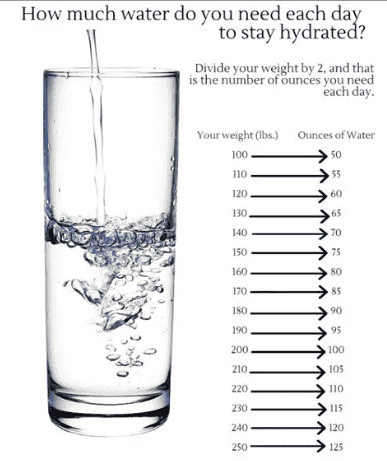
If you have a heart, kidney, or other medical condition that affects your fluid intake, always follow your healthcare provider’s recommendations.
Does Coffee Count as Fluid?
Yes. Coffee does contribute to your overall fluid intake. Caffeine can have a mild diuretic effect, meaning it may increase urination. However, people who regularly consume caffeine may develop some tolerance to this effect.
If you are already dehydrated or don’t normally consume caffeine, water and other non-caffeinated fluids may be a better choice for rehydration.
Simple Ways to Drink More Water
Sometimes “just drink more water” sounds easier than it actually is. Creating simple habits can make staying hydrated easier.
Start Your Day With Water
Keep a glass or bottle of water nearby and drink it when you first get up.
Drink With Meals and Snacks
Have a glass of water with meals and snacks. Connecting hydration with something you already do can make drinking fluids easier to remember.
Carry a Water Bottle
Keep water with you throughout the day. Having it nearby makes it easier to take regular drinks.
Add Flavor
If you don’t enjoy plain water, try adding:
- Lemon or lime
- Fresh fruit
- Flavored water
- Unsweetened tea
- Seltzer or sparkling water
Other beverages can also contribute to your overall fluid intake.
Eat Water-Rich Foods
Many fruits and vegetables contain significant amounts of water. Watermelon, cucumbers, oranges, strawberries, and spinach are examples of foods that can contribute to your daily fluid intake.
What Causes Dehydration?
Dehydration can happen for many reasons. Sometimes we simply forget to drink, get too busy, or don’t make hydration a priority.
Other common causes include:
- Excessive sweating
- Hot weather
- Exercise or physical activity
- Fever
- Vomiting
- Diarrhea
- Increased urination
- Certain illnesses
- Not having easy access to fluids
Can Medications Cause Dehydration?
Yes. Some medications can affect how much fluid your body retains or removes.
Diuretics, sometimes called “water pills,” increase urination and are commonly used to treat conditions such as high blood pressure and certain heart conditions.
Examples include furosemide (Lasix), spironolactone (Aldactone), and torsemide. This is not a complete list.
Never stop or change a medication because you think it is causing dehydration. Instead, talk with your doctor or pharmacist about your concerns.
Signs of Dehydration
Early signs of dehydration may include:
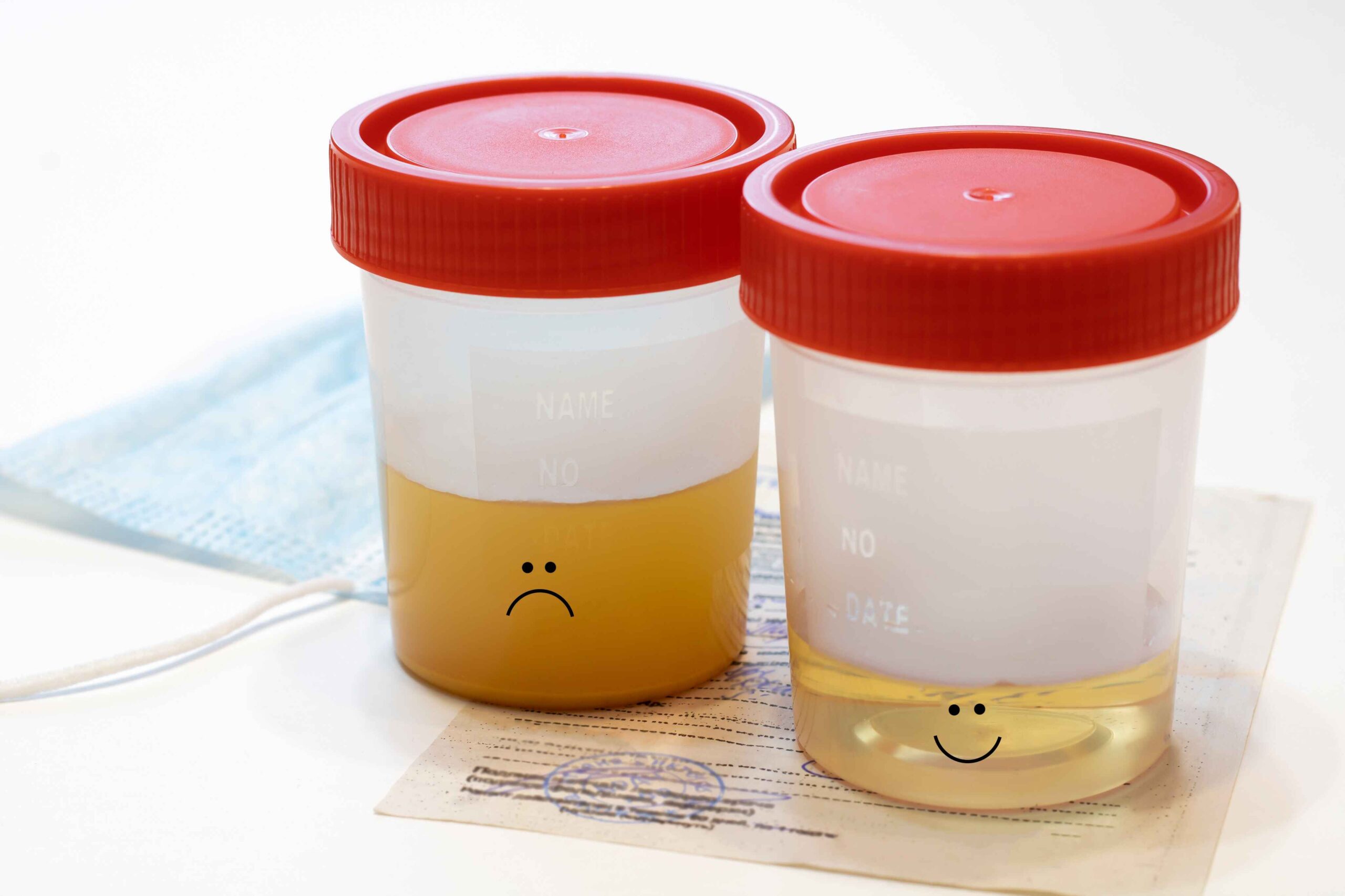
- Dark yellow or concentrated urine
- Headache
- Tiredness or weakness
- Dizziness
- Constipation
- Increased thirst
- Dry mouth
- Confusion, particularly in older adults
Don’t wait until you feel extremely thirsty to think about hydration. Thirst and dry mouth aren’t always reliable early warning signs, particularly for older adults.
Dehydration can also contribute to urinary problems and may increase the risk of urinary tract infections (UTIs) in some people.
What Happens When Dehydration Becomes Severe?
Severe dehydration can affect your body’s ability to maintain normal blood pressure and electrolyte levels.
Electrolytes, including sodium, potassium, and magnesium, help your nerves, muscles, and heart function properly. Significant fluid and electrolyte imbalances can become serious.
Severe dehydration may lead to:
- Low blood pressure
- Electrolyte imbalances
- Kidney problems or kidney injury
- Increased risk of falls
- Confusion
- Hospitalization for IV fluids
- Shock
- Life-threatening complications
Severe dehydration can be a medical emergency. If someone is extremely weak, confused, fainting, unable to keep fluids down, or showing signs of severe illness, seek medical attention promptly.
Who Is Most at Risk for Dehydration?
Anyone can become dehydrated, but certain people have a higher risk, including:
- Infants and young children
- Older adults
- People with certain chronic health conditions
- People taking medications that increase fluid loss
- People who work or exercise outdoors
- People experiencing vomiting or diarrhea
- People with a fever or acute illness, such as the flu or pneumonia
When Hydration Becomes Complicated
For some people, simply being told to “drink more water” isn’t appropriate. Individuals with certain heart, kidney, or other medical conditions may have specific fluid restrictions or hydration needs.
An Our Father Patient Advocacy nurse advocate can help you understand the recommendations your healthcare provider has given you and help you prepare questions when something is unclear.
Your nurse advocate does not independently diagnose dehydration, change medications, or determine how much fluid you should drink. Those decisions belong with your physician or other qualified healthcare provider.
Don’t Wait Until You’re Dehydrated
Staying hydrated is a simple but important part of taking care of your health. Developing small habits—keeping water nearby, drinking with meals, carrying a water bottle, and paying attention to changes in your body—can help you stay on top of your fluid intake.
And if managing hydration becomes complicated because of medications, illness, age, multiple healthcare providers, or other healthcare needs, you don’t have to navigate it alone.
Our Father Patient Advocacy LLC provides personalized nurse patient advocacy and healthcare support to help individuals and families feel more informed, organized, and confident when navigating healthcare.
This article is for general educational purposes and is not a substitute for medical advice, diagnosis, or treatment. Fluid recommendations may not apply to people with certain medical conditions, including some heart and kidney conditions. Always follow your healthcare provider’s individualized recommendations.
References:
Dutta, Sanchari Sinha. (2019, February 04). Dehydration in the Elderly: Signs and Symptoms. News-Medical. Retrieved on January 26, 2023 from https://www.news-medical.net/health/Dehydration-in-the-Elderly-Signs-and-Symptoms.aspx
Mayo Clinic. (2020, October 14). Water: How much should you drink every day? Mayo Clinic.
https://www.mayoclinic.org/healthy-lifestyle/nutrition-and-healthy-eating/in-depth/water/art-20044256
Mayo Clinic. (2021, October 14). Dehydration – Symptoms and causes. Mayo Clinic; Mayo Clinic. https://www.mayoclinic.org/diseases-conditions/dehydration/symptoms-causes/syc-20354086
Killer, S. C., Blannin, A. K., & Jeukendrup, A. E. (2014). No Evidence of Dehydration with Moderate Daily Coffee Intake: A Counterbalanced Cross-Over Study in a Free-Living Population. PLoS ONE, 9(1), e84154. https://doi.org/10.1371/journal.pone.0084154
Et, B., Bd, P., Hs, K., & Ks, C. (2005). Caffeine Ingestion and Lower Urinary Tract Symptoms in Healthy Volunteers. Neurology and Urodynamics. https://pubmed.ncbi.nlm.nih.gov/16167356/