Ibogaine: What You Need to Know
Overview
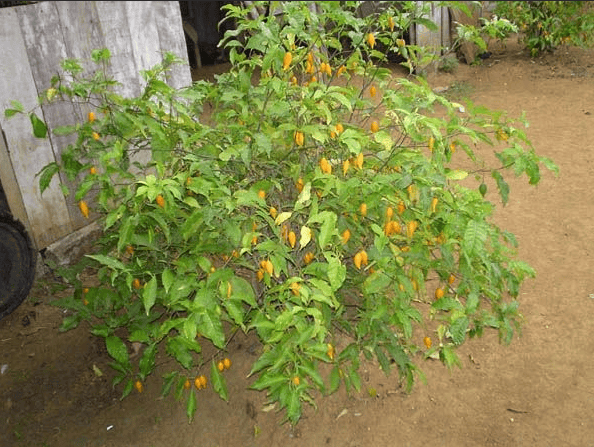
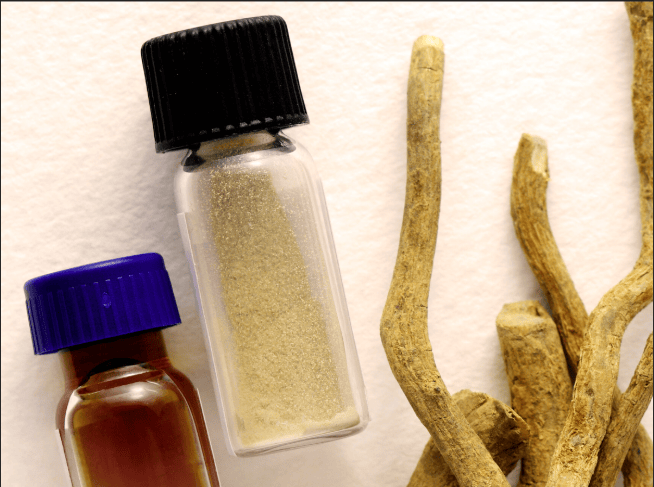
Ibogaine is a naturally occurring compound derived from the root of the Tabernanthe iboga plant, native to Central Africa. For centuries, it has been used in traditional spiritual practices, particularly by the Bwiti people, to promote insight, healing, and connection.
Today, ibogaine is gaining attention for its potential role in treating addiction and certain mental health conditions. However, it remains a controversial and highly regulated substance.
How Ibogaine Works
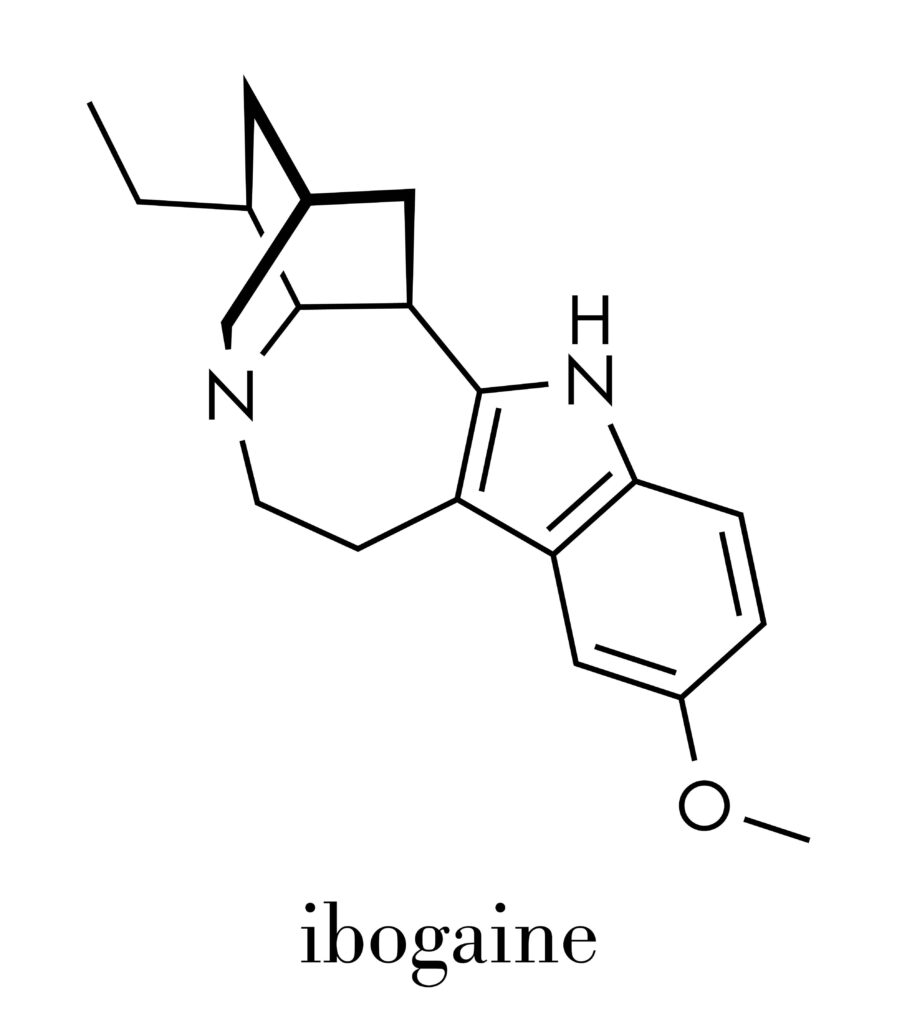
When ibogaine enters the body, it is converted into noribogaine, a longer-lasting compound that interacts with several systems in the brain.
Researchers believe ibogaine may:
- Affect serotonin and other mood-related pathways
- Reduce cravings and withdrawal symptoms
- Influence multiple brain receptors involved in addiction and mental health
Unlike many traditional treatments, ibogaine works across several brain systems at once, which may explain its broad effects.
Potential Benefits
Early research and patient reports suggest ibogaine may help with:
Addiction Treatment
- Opioids
- Alcohol
- Nicotine
- Stimulants
Some individuals report reduced withdrawal symptoms and cravings after a single treatment.
Mental Health Support
- Depression
- Anxiety
- PTSD
There is also growing interest in ibogaine’s ability to promote neuroplasticity—the brain’s ability to form new connections.
Emerging Research
New compounds inspired by ibogaine are being studied, including:
- Tabernanthalog (TBG)
- 18-MC
These aim to provide benefits without some of ibogaine’s risks.
What the Experience Is Like
Ibogaine is known for producing a long, introspective experience that can last:
- 12–24 hours (primary effects)
- Up to 72 hours (emotional and psychological processing)
Many describe it as:
- Deeply reflective
- Emotionally intense
- Sometimes spiritual
In clinical or retreat settings, this experience is often supported by trained professionals.
Risks and Safety Concerns
Ibogaine is not without serious risks and should never be taken casually.
Key Risks
- Heart complications: Can cause dangerous irregular heart rhythms
- Electrolyte imbalance: Low potassium or magnesium increases risk
- Neurological effects: Confusion, weakness, or coordination issues
- Prolonged effects: Active compounds remain in the body for days to weeks
There have been reported fatalities, often linked to:
- Preexisting health conditions
- Lack of proper medical screening
- Unsafe treatment environments
Medical supervision is critical where ibogaine is used.
Legal Status
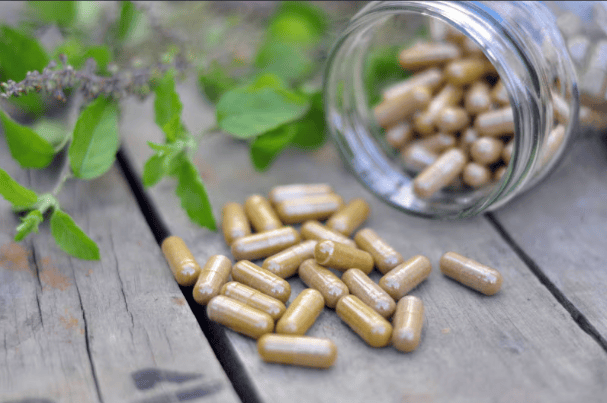
In the United States, ibogaine is classified as a Schedule I substance by the Drug Enforcement Administration.
This means:
- It is not approved for medical use
- It cannot be legally prescribed
- Research is limited and highly regulated
Some countries allow ibogaine treatment in controlled or retreat settings.
Current Research
Interest in ibogaine is growing, with studies exploring its potential for:
- Addiction recovery
- Mental health disorders
- Brain injury and neuroplasticity
While early findings are promising, large-scale clinical trials are still needed to confirm safety and effectiveness.
Important Considerations
Ibogaine is not a quick fix or universally safe solution. Anyone considering it should understand:
- The legal implications
- The medical risks
- The importance of qualified supervision
Always consult with a licensed healthcare professional before exploring any treatment options.
Final Thoughts
Ibogaine represents a unique and evolving area of research at the intersection of addiction treatment, mental health, and neuroscience. While it offers potential, it also carries significant risks and remains largely unregulated in many parts of the world.
As research continues, ibogaine and related compounds may play a role in future treatment options—but for now, caution and informed decision-making are essential.
Recent Federal Developments in Ibogaine Research
In 2026, Donald Trump signed an executive order aimed at accelerating research into psychedelic therapies, including ibogaine treatment. The order directs the FDA to fast-track clinical research and review processes for substances like ibogaine, which are currently classified as Schedule I drugs, while also allocating approximately $50 million in federal funding for continued study. This initiative reflects growing national interest in alternative approaches to addiction recovery, PTSD, and mental health treatment, particularly among veterans. While ibogaine therapy remains illegal for general use in the United States, this shift signals potential future changes in how ibogaine treatment, ibogaine research, and ibogaine for addiction may be evaluated, regulated, and possibly integrated into clinical care pending further scientific evidence and safety review.
References:
Abuse, N. I. on D. (2022, January 21). Overview. National Institute on Drug
Abuse.
https://nida.nih.gov/publications/research-reports/medications-to-treat-opioid-a
ddiction/overview
Alper, K. (n.d.). IBOGAINE: A REVIEW. Retrieved January 12, 2024, from
https://www.moishv.com/works/iceers-org/docs/science/iboga/Ibogaine%20Proceedi
ngs/ch01_Review_Alper.pdf
Alper, K. R., Lotsof, H. S., & Kaplan, C. D. (2008). The ibogaine medical
subculture. Journal of Ethnopharmacology, 115(1), 9–24.
https://doi.org/10.1016/j.jep.2007.08.034
Anderson, L. (2012, October 28). List of Schedule 1 Drugs. Drugs.com;
Drugs.com. https://www.drugs.com/article/csa-schedule-1.html
BAUMANN, M. H., PABLO, J. P., ALI, S. F., ROTHMAN, R. B., & MASH, D. C.
(2000). Noribogaine (12-Hydroxyibogamine): A Biologically Active Metabolite
of the Antiaddictive Drug Ibogaine. Annals of the New York Academy of
Sciences, 914(1), 354–368.
https://doi.org/10.1111/j.1749-6632.2000.tb05210.x
Cherian, K. N., Keynan, J. N., Anker, L., Faerman, A., Brown, R. E., Shamma,
A., Keynan, O., Coetzee, J. P., Batail, J.-M., Phillips, A., Bassano, N. J.,
Sahlem, G. L., Inzunza, J., Millar, T., Dickinson, J., Rolle, C. E., Keller, J.,
Adamson, M., Kratter, I. H., & Williams, N. R. (2024). Magnesium–ibogaine
therapy in veterans with traumatic brain injuries. Nature Medicine, 1–9.
https://doi.org/10.1038/s41591-023-02705-w
Frank, P. (2012). Ibogaine explained : everything you need to know about the
world’s most powerful psychedelic. Create Space.
Henstra, M., Wong, L., Chahbouni, A., Swart, N., Allaart, C., & Sombogaard,
F. (2017). Toxicokinetics of ibogaine and noribogaine in a patient with
prolonged multiple cardiac arrhythmias after ingestion of internet purchased
ibogaine. Clinical Toxicology, 55(6), 600–602.
https://doi.org/10.1080/15563650.2017.1287372
Ibogaine Therapy Information- UC Berkeley BCSP. (n.d.). UC Berkeley Center
for the Science of Psychedelics.
https://psychedelics.berkeley.edu/substance/ibogaine/
Ibogaine for Treatment of Brain Disorders | Explore Technologies. (n.d.).
Techfinder.stanford.edu. Retrieved January 12, 2024, from
https://techfinder.stanford.edu/technology/ibogaine-treatment-brain-disorders
Köck, P., Froelich, K., Walter, M., Lang, U., & Dürsteler, K. M. (2021). A
systematic literature review of clinical trials and therapeutic applications of
ibogaine. Journal of Substance Abuse Treatment, 138, 108717.
https://doi.org/10.1016/j.jsat.2021.108717
Koenig, X., & Hilber, K. (2015). The Anti-Addiction Drug Ibogaine and the
Heart: A Delicate Relation. Molecules, 20(2), 2208–2228.
https://doi.org/10.3390/molecules20022208
Kumar, R., Viswanath, O., & Saadabadi, A. (2020). Buprenorphine. PubMed;
StatPearls Publishing. https://www.ncbi.nlm.nih.gov/books/NBK459126/
Lu, J., Tjia, M., Mullen, B., Cao, B., Lukasiewicz, K., Shah-Morales, S.,
Weiser, S., Cameron, L. P., Olson, D. E., Chen, L., & Zuo, Y. (2021). An
analog of psychedelics restores functional neural circuits disrupted by
unpredictable stress. Molecular Psychiatry, 1–16.
https://doi.org/10.1038/s41380-021-01159-1
Lutfy, K., & Cowan, A. (2004). Buprenorphine: a unique drug with complex
pharmacology. Current Neuropharmacology, 2(4), 395–402.
https://doi.org/10.2174/1570159043359477
Mehnoor Durrani, & Kamna Bansal. (2020). Methadone. Nih.gov; StatPearls
Publishing. https://www.ncbi.nlm.nih.gov/books/NBK562216/
Mu Receptors- StatPearls- NCBI Bookshelf (nih.gov)
National Institute on Drug Abuse. (2021). How do medications to treat opioid
use disorder work? National Institute on Drug Abuse.
https://nida.nih.gov/publications/research-reports/medications-to-treat-opioid-a
ddiction/how-do-medications-to-treat-opioid-addiction-work
Noller, G. E., Frampton, C. M., & Yazar-Klosinski, B. (2017). Ibogaine
treatment outcomes for opioid dependence from a twelve-month follow-up
observational study. The American Journal of Drug and Alcohol Abuse, 44(1),
37–46. https://doi.org/10.1080/00952990.2017.1310218
Paškulin, R., Jamnik, P., Živin, M., Raspor, P., & Štrukelj, B. (2006). Ibogaine
affects brain energy metabolism. European Journal of Pharmacology,
552(1-3), 11–14. https://doi.org/10.1016/j.ejphar.2006.09.008
Popik, P. (1996). Facilitation of memory retrieval by the “anti-addictive”
alkaloid, ibogaine. Life Sciences, 59(24), PL379–PL385.
https://doi.org/10.1016/s0024-3205(96)00564-4
Psychoactive drug ibogaine effectively treats traumatic brain injury in special
ops military vets | News Center | Stanford Medicine
Snowman, A., J. Grant Collins, Perschke, S., Bauer, C., & Ferkany, J. W.
(1995). Receptor binding profile suggests multiple mechanisms of action are
responsible for ibogaine’s putative anti-addictive activity. 118(4), 369–376.
https://doi.org/10.1007/bf02245936
Sunilkumar, M., & Lockman, K. (2018). Practical pharmacology of methadone:
A long-acting opioid. Indian Journal of Palliative Care, 24(5), 10.
https://doi.org/10.4103/ijpc.ijpc_180_17Sweetnam, P., Lancaster, J.,
Wang, Y., Zhuang, Y., DiBerto, J. F., Zhou, X. E., Schmitz, G. P., Yuan, Q.,
Jain, M. K., Liu, W., Melcher, K., Jiang, Y., Roth, B. L., & Xu, H. E. (2023).
Structures of the entire human opioid receptor family. Cell, 186(2),
413-427.e17. https://doi.org/10.1016/j.cell.2022.12.026